
Some links on this page are affiliate links. If you sign up through one, TradeStackLab earns a commission at no extra cost to you. We only recommend tools we’d actually use on a job, and a commission never buys a better review.
The Question Everyone Asks Before They Buy a Pressure Washer
Mobile detailing looks good on paper. Low overhead, no storefront lease, work outdoors, be your own boss. You see guys on social media doing full paint corrections out of a sprinter van and apparently printing money. So the question is fair: is mobile detailing worth it?
The honest answer is: it depends on what you’re walking in with and what you’re willing to grind through. This article breaks down the real numbers, the real problems, and what separates the people who make it work from the ones who quit after six months.
What You Actually Need to Start
Mobile detailing has a lower barrier to entry than most trades. You don’t need a licensed shop. You don’t need to pull permits for most basic services. But “low barrier” doesn’t mean “free.”
Startup Costs to Expect
- Water tank and pump system: You need a reliable water source if customers don’t have an outdoor spigot. A decent tank setup isn’t cheap.
- Pressure washer: Get a real one, not a big-box store unit. The cheap ones die fast under daily use.
- Extraction machine: If you’re doing interior work, you need this. It’s not optional.
- Generator or power inverter: Customers won’t always have accessible power.
- Chemicals, pads, towels: These are ongoing costs that eat margin if you’re not careful.
- Vehicle: Truck, van, or trailer. Your existing vehicle might work to start, but eventually you’ll need something dedicated.
- Insurance: General liability at minimum. Don’t skip this. One paint scratch claim can wipe out months of profit.
- Booking and scheduling software: More on this below.
Realistically, a functional basic setup runs several thousand dollars before you book your first job. A proper van build with all the equipment can run significantly higher. Don’t believe anyone who tells you to start with $500 and a bucket.
What You Can Earn — Realistically
This is where people get excited about the wrong numbers. Yes, a full paint correction with ceramic coating can bring in several hundred dollars per vehicle. But that’s not your average Tuesday.
Most detailers start on basic washes and interior cleans. Those jobs typically price lower, and they take time. If it takes you two hours to do a basic detail and you charge $100, you’re at $50 an hour gross — before chemicals, fuel, equipment wear, and the time you spent driving between jobs.
The detailers who actually make good money are doing a few things:
- Pricing correctly, not chasing volume at low margins
- Upselling add-ons consistently (odor treatment, engine bay, ceramic coatings)
- Booking efficiently so they’re not burning half the day driving
- Targeting higher-value clients: fleet accounts, luxury vehicles, dealers
A solo operator running full weeks can make a solid living. A part-timer treating it like a side hustle will probably make side-hustle money. Neither of those is a wrong answer — it just depends on your goal.
Recommended Gear

Affiliate Link
Makita XOP02Z 18V LXT® Lithium-Ion Brushless Cordless 5″ / 6″ Dual Action Random…
4.5★ (125 reviews)
If you’re chasing paint correction work — the kind that actually commands premium pricing — a dual-action polisher like this Makita is the tool that makes that upsell possible, not a luxury add-on.
The Daily Grind Is Real
People romanticize the outdoor, flexible schedule. The reality is more complicated.
You’re working in heat, rain, and cold. You’re on your knees for hours. You’re dealing with customers who expect miracles on cars that haven’t been cleaned in two years. You’re loading and unloading equipment every single day. You’re chasing payments, answering texts at night, and handling your own marketing.
None of that is unique to detailing — most trades have a grind. But be clear-eyed about it. The lifestyle appeal is real but it comes with physical and administrative work that doesn’t show up in the highlight reels.
Where Most People Fail
Underpricing
This is the most common mistake. New detailers underprice to get customers, then work themselves into a hole. Cheap prices attract bargain hunters, not loyal clients. Price based on your time, your costs, and your market — not on what you think will get the phone to ring.
No System for Scheduling and Follow-Up
If you’re managing your jobs in a text thread and a notes app, you will eventually drop the ball. A missed appointment, a forgotten invoice, a customer you never followed up with for a rebook — that’s money out of your pocket.
This is where field service management software pays for itself. Tools built for service businesses — like Jobber or Housecall Pro — handle scheduling, customer records, invoicing, and payment collection in one place. They’re not just for big operations. Solo operators use them too, specifically because they don’t have an office staff handling the admin.
Jobber in particular has been popular with solo and small-crew service businesses. It’s designed to be usable without a learning curve, and it cuts the time you spend on paperwork.
Housecall Pro is another solid option and has features that work well if you’re moving toward a crew or multiple trucks. Worth a look if you’re planning to scale.
Ignoring Repeat Business
One-time jobs are fine. But your real income comes from customers who come back every four to eight weeks. If you’re not actively following up with past clients, you’re leaving money on the table. Software that sends automatic reminders and booking prompts earns its cost here.
Competition and Market Saturation
Mobile detailing has a low barrier to entry, which means competition is real. Most markets have more detailers than they did five years ago. That doesn’t mean you can’t win — it means you have to differentiate.
Specialization helps. Focusing on fleet accounts, paint correction, or ceramic coatings puts you in a different conversation than the guy doing $40 washes on Facebook Marketplace. Reputation matters more than ever because customers check reviews before they book anyone.
Geography matters too. A dense suburban area with high household income is a different market than a rural county. Know your market before you set expectations.
Recommended Gear

Affiliate Link
Vacmaster Professional Beast Series 14-Gallon* 6.5 Peak HP† Wet/Dry Vacuum…
4.4★ (1,454 reviews)
The article isn’t wrong that an extraction machine isn’t optional for interior work; this Vacmaster wet/dry vac pulls double duty as a capable substitute when you’re still building out your equipment list.
Is It a Business or a Job?
This is the question under the question. Plenty of people run mobile detailing as a solo operation and make decent money. But if the business stops when you stop — if you get sick or injured and the income disappears — you’ve built yourself a job, not a business.
That’s not necessarily wrong. But it’s something to think about. Detailers who build toward hiring employees, adding a second truck, or taking on fleet contracts are building something that can grow beyond their own labor. That takes systems, pricing discipline, and a long view.
A Quick Comparison: Solo Operator vs. Small Crew
| Factor | Solo Operator | Small Crew (2–3 people) |
|---|---|---|
| Startup cost | Lower | Higher |
| Income ceiling | Capped by your hours | Higher potential |
| Admin complexity | Manageable | Needs real systems |
| Risk | Lower | Higher (payroll, equipment) |
| Flexibility | High | Less — you manage people |
| Software need | Helpful | Essential |
Recommended Gear
Affiliate Link
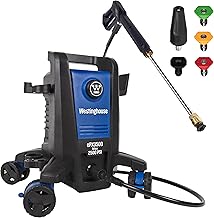
Westinghouse ePX3500 Electric Pressure Washer, 2500 Max PSI 1.76 Max GPM with…
4.7★ (12,788 reviews)
The article specifically warns against big-box pressure washers that die under daily use — this Westinghouse sits in a middle range that’s worth scrutinizing honestly before committing to a full professional setup.
The Bottom Line
Mobile detailing can absolutely be worth it. It’s a real business that real people run profitably. But it’s not passive income, it’s not easy money, and the social media version is curated to look better than the day-to-day reality.
If you’re willing to price correctly, stay organized, build repeat customers, and treat it like an actual business — there’s money there. If you’re hoping to wing it with low prices and word of mouth, you’ll probably burn out before you break even.
Do the math on your specific market before you spend a dollar on equipment. Talk to detailers who are already running. And if you’re going to build this seriously, get your scheduling and invoicing off your phone’s notes app from day one. The admin side is what kills momentum early on, and software like Jobber or Housecall Pro exists specifically to solve that problem for small service operations.
The opportunity is real. The grind is real too. Go in with both eyes open.