
Some links on this page are affiliate links. If you sign up through one, TradeStackLab earns a commission at no extra cost to you. We only recommend tools we’d actually use on a job, and a commission never buys a better review.
Why Trades Are Still One of the Best Ways to Start a Business on a Tight Budget
Most small business advice assumes you have capital. Lease a space. Buy equipment. Hire staff. Run ads. That’s not how most tradespeople get started.
The reality is that skilled trades are some of the few businesses where you can go from zero to paying customers in a matter of weeks — if you pick the right trade and keep your overhead low at the start. You’re selling your time and skill, not a product that needs a warehouse.
This guide covers the cheapest trade businesses to start, what you actually need to get going, and what the real costs look like. We’re not going to sugarcoat the hard parts either.
What “Under $5,000” Actually Means Here
We’re talking about the money you spend before your first invoice gets paid. That includes:
- Licensing and registration fees
- Basic tools and equipment
- Insurance (don’t skip this)
- A vehicle if you don’t already have one (we’ll flag when this is a big factor)
- Basic software or admin setup
We’re not counting a truck or van in the $5,000 figure for most trades — most people starting out already have a vehicle. If you don’t, that changes the math significantly.
The Trades That Work Best Under $5,000
1. Residential Cleaning
This is probably the lowest barrier to entry on the list. You don’t need a contractor’s license to clean houses in most states. Your startup costs are mostly supplies and insurance.
What you actually need to start:
- Cleaning supplies and basic equipment (mop, vacuum, microfiber cloths): $200–$500
- General liability insurance: roughly $500–$800 per year depending on your state and coverage
- Business registration: varies by state, usually under $200
- Basic scheduling software: low monthly cost or free tiers exist
Realistically, you can start a residential cleaning operation for $1,000–$1,500 if you already have a car. The margins are decent if you manage your time well, and recurring clients are genuinely sticky — people who like their cleaner don’t switch easily.
The downside: it’s physically demanding, pricing pressure is real (especially from large franchise operators), and scaling past solo work requires hiring, which adds complexity fast.
2. Lawn Care and Landscaping (Maintenance Side)
Basic lawn maintenance — mowing, edging, leaf removal, seasonal cleanups — has low startup costs if you don’t go crazy on equipment early on.
What you actually need to start:
- Commercial-grade mower (used): $800–$2,000
- Trimmer, blower, basic hand tools: $300–$600
- Trailer (used): $500–$1,500
- General liability insurance: $500–$1,000 per year
- Business registration: under $200
You can get into this for $3,000–$4,000 buying used equipment and being smart about it. The work is seasonal in most climates, which means cash flow planning matters a lot. Summer is good; January is not.
If you’re in a warmer climate, year-round demand makes this much more viable. In northern states, you’ll either diversify into snow removal or accept the seasonal nature.
3. Window Cleaning
This one surprises people. Window cleaning has low equipment costs, no licensing requirement in most places, and commercial contracts can be very stable income.
What you actually need to start:
- Squeegees, scrubbers, buckets, pole systems: $300–$700
- Water-fed pole system (for multi-story work, optional at first): $500–$1,500
- General liability insurance: $500–$800 per year
- Business registration: under $200
You could genuinely start this for under $2,000. The trade-off is that the residential side is competitive and price-sensitive. Getting commercial contracts — storefronts, office buildings — takes more hustle to land but pays more reliably.
4. Pressure Washing
High demand, good margins, and the equipment investment is manageable if you buy smart.
What you actually need to start:
- Commercial pressure washer (used or entry-level): $800–$2,000
- Surface cleaner attachment: $150–$400
- Hoses, nozzles, detergents: $200–$400
- General liability insurance: $600–$1,000 per year
- Business registration: under $200
You’re looking at $2,500–$4,000 to get started properly. Driveways, decks, siding, commercial parking lots — the work is there. Upselling soft washing for roofs and siding adds revenue once you know what you’re doing.
Be careful: pressure washing done wrong damages property. Make sure your insurance covers property damage and that you learn what surfaces can handle what pressure before you touch a client’s home.
5. Handyman Services
If you’re handy and have a decent tool collection already, handyman work is one of the fastest ways to start generating income. Small repairs, furniture assembly, TV mounting, minor carpentry, caulking — homeowners need this work constantly and most don’t want to deal with calling a licensed contractor for a small job.
What you actually need to start:
- Tools (if you already have most): $300–$1,000 to fill gaps
- General liability insurance: $600–$1,000 per year
- Business registration: under $200
The catch: most states limit what unlicensed handymen can legally do. There’s usually a dollar threshold per job — go above it and you need a contractor’s license. Know your state’s rules before you start taking jobs. Plumbing and electrical work, even small stuff, often requires a license regardless of job size.
6. Gutter Cleaning and Maintenance
Often overlooked, but gutter cleaning is a recurring service most homeowners hate doing themselves and need done at least once or twice a year.
What you actually need to start:
- Ladders (good ones, don’t cheap out on safety): $400–$800
- Blower or gutter cleaning attachment: $100–$300
- General liability insurance: $500–$800 per year
- Business registration: under $200
You can start this for well under $2,000. It’s not glamorous work, but neither is the competition very sophisticated in most markets. Pair it with pressure washing or window cleaning and you’ve got a multi-service outdoor maintenance business with good upsell potential.
Recommended Gear

Affiliate Link
SAMSUNG Galaxy Tab Active5 Wi-Fi 8” 128GB Android Tablet for Industrial, Field Work…
4.3★ (171 reviews)
If you’re running scheduling, invoicing, and client notes from a job site, the ruggedized build here matches the article’s advice to keep admin lean without babying fragile gear in the field.
Side-by-Side: Startup Cost Comparison
| Trade | Estimated Startup Cost | License Required? | Seasonal? | Recurring Clients? |
|---|---|---|---|---|
| Residential Cleaning | $1,000–$1,500 | No (most states) | No | Yes — strong |
| Lawn Care / Mowing | $3,000–$4,500 | No (general maintenance) | Yes | Yes — strong |
| Window Cleaning | $1,500–$3,000 | No (most states) | Mild | Yes — moderate |
| Pressure Washing | $2,500–$4,000 | No (most states) | Mild | Moderate |
| Handyman Services | $1,000–$2,000 | Partial (state rules vary) | No | Low–Moderate |
| Gutter Cleaning | $1,200–$2,000 | No (most states) | Yes (fall/spring) | Yes — moderate |
Recommended Gear
Affiliate Link
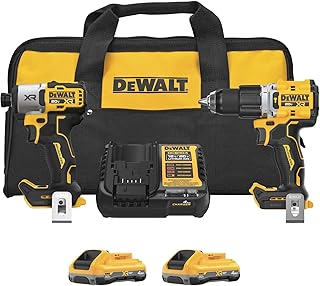
DEWALT 20V MAX XR Impact Driver and Hammer Drill Cordless Power Tool Combo Kit…
4.8★ (120 reviews)
The article flags used equipment as the smart entry point for lawn care and pressure washing — but if you’re buying new, a combo kit like this covers the drill work that cleaning and maintenance startups actually need early on.
What About HVAC, Plumbing, and Electrical?
These are the trades people often think of first, but they don’t fit in the under-$5,000 conversation for most people. Here’s why:
- You need a license, which requires years of apprenticeship or schooling before you can work independently.
- Equipment costs for HVAC in particular are high — refrigerant recovery machines, manifold sets, and the cost of EPA certification add up fast.
- Insurance for licensed trades doing mechanical or electrical work is more expensive than for cleaning or maintenance services.
That doesn’t mean they’re not worth pursuing. The earning potential in HVAC and plumbing is strong and long-term demand is solid. But if you’re trying to start a business this year with limited capital, these aren’t realistic under-$5,000 options unless you’re already licensed and just need operating capital.
Getting Your First Customers Without a Big Marketing Budget
The business plan doesn’t matter much if no one’s calling. Here’s what actually works early on:
Start with your network
Tell everyone you know what you’re doing. Not with a pitch — just an honest conversation. “I started a cleaning business. If you know anyone who needs it, I’d appreciate the referral.” People underestimate how far this goes.
Nextdoor and neighborhood Facebook groups
These are free and local. Post once, honestly, about what you do. Don’t spam. Respond quickly when someone asks a question in those groups — being helpful builds trust faster than ads.
Google Business Profile
Set this up on day one. It’s free. When someone in your area searches for your service, you want to show up. Reviews matter a lot here — ask every happy customer to leave one.
Door hangers and flyers
Old school, but still works for local service businesses. Pick a neighborhood, do a good job for one or two people there, and the word spreads within a few blocks.
Pricing your first jobs
Don’t undercut yourself to get work. You can offer a first-time discount, but starting too low trains clients to expect low prices and burns you out fast. Know what you need to make per hour to cover your costs and make a living, and price from there.
Get the Admin Side Right From the Start
A lot of people starting out track jobs in a notebook or text messages. That works for your first few customers. It stops working fast.
Basic field service management software handles scheduling, invoicing, and customer records in one place. It makes you look more professional and saves hours every week once you have more than a handful of clients. For cleaning businesses specifically, tools like ZenMaid are built around the recurring nature of that work. For broader home services — lawn care, pressure washing, window cleaning, handyman — Jobber and Housecall Pro are the two most common names you’ll hear.
Most of these have free trials. Start one when you book your first few jobs so you’re not trying to learn the software while also managing a growing schedule.
Common Mistakes People Make Starting Out
- Skipping insurance. One damaged floor or one injury on a client’s property and you’re done before you started. Get general liability insurance before you take a single job.
- Buying too much equipment too early. Start lean. A used mower or a basic pressure washer gets you going. Upgrade when the revenue supports it.
- Underpricing to compete. Low prices attract clients who will leave you the moment someone prices even lower. Compete on reliability and communication, not on being the cheapest.
- Not tracking income and expenses from day one. Tax time is brutal if you haven’t kept records. Open a separate business bank account on day one. Log every expense and every payment.
- Taking on too many services too fast. Pick one thing and get good at it. Then add services once you have a customer base and know your numbers.
Recommended Gear

Affiliate Link
Star Micronics TSP143IIIBi Bluetooth Thermal Receipt Printer for iOS, Android, and…
4.1★ (1,084 reviews)
The article mentions basic scheduling software but skips invoicing hardware — a Bluetooth receipt printer is a small upfront cost that signals professionalism to recurring clients, the exact ones the article says are hardest to lose once you have them.
The Bottom Line
If you have the right skills and a willingness to work, a few thousand dollars is enough to start a legitimate trade business. Cleaning, lawn care, window cleaning, pressure washing, and gutter services are all real businesses that people make real money from — without a six-figure startup investment.
The fundamentals are the same in all of them: keep your costs low, do the work right, treat clients well, ask for referrals, and get the admin side organized before it becomes a mess. None of that requires a big budget. It just requires showing up consistently and not cutting corners.
If you’re already in one of these trades and starting to get busy, take a look at what software is out there to help manage the operations side. Jobber and Housecall Pro are solid starting points for most home service businesses. For cleaning specifically, ZenMaid is worth a look. None of them are perfect, but any of them beats a notebook and a stack of unpaid invoices.