
So You Want to Start a Welding Business
Welding is one of those trades where the skill gap works in your favor. Good welders are hard to find, and plenty of shops, contractors, and homeowners will pay well for reliable work. But having the skills and running a business are two different things. This guide covers what it actually takes to get started — licenses, costs, equipment, and finding paying customers — without sugarcoating the hard parts.
Is a Welding Business Worth Starting in 2026?
The honest answer is: it depends on your market and your niche. Structural welding, mobile repair, custom fabrication, and pipeline work all have different demand curves, different certifications required, and different earning ceilings.
What’s working in 2026:
- Mobile welding is in demand. Farms, equipment dealers, and construction sites don’t want to haul machinery to a shop.
- Custom fabrication — gates, railings, trailers — holds margins well if you’re not racing to the bottom on price.
- Shortage of certified welders in industrial and infrastructure work means some contractors are paying premium rates for subcontractors.
What’s tough:
- Startup equipment costs are real. You can’t fake your way through this with cheap gear.
- If you go after commercial or government contracts, you’ll need certified processes and documentation from day one.
- Competing against established fab shops on price alone is a losing game.
Licenses and Certifications You’ll Need
This is where a lot of people get tripped up. “Do I need a license to weld?” The answer depends on what type of welding you’re doing and where you’re working.
Business License
Every state requires some form of business registration. You’ll file as a sole proprietor, LLC, or corporation. Most small welding operations start as an LLC. It costs somewhere between $50 and a few hundred dollars depending on your state, and it protects your personal assets if something goes wrong on a job.
Welder Certifications
There’s no single national “welding license” for general work, but certifications matter a lot depending on your market:
- AWS (American Welding Society) certifications — the most widely recognized. If you’re doing structural, pressure vessel, or code-governed work, you’ll want these. Specific certifications are tied to process (MIG, TIG, stick) and position.
- ASME certifications — required for pressure piping and boiler work. More specialized.
- State-specific licenses — some states require welders working on certain systems (gas lines, pressure vessels) to hold a state-issued license. Check your state contractor licensing board.
If you’re doing general mobile repair, farm equipment, or decorative fabrication, certifications are less of a hard requirement — but they’re still a selling point. Showing a potential customer your AWS certification beats a verbal promise any day.
Contractor’s License
If your welding work involves structural elements in buildings or is tied to general contracting, some states will require a contractor’s license on top of everything else. Again, check your state board. Don’t assume you’re in the clear because you’re “just welding.”
Other Permits and Requirements
- If you’re running a shop, you’ll need a business occupancy permit and may need to meet local fire and ventilation codes.
- Mobile operations may require a commercial vehicle registration depending on your rig’s weight and what you’re hauling.
- OSHA rules apply if you have employees. Even as a solo operator, it’s worth knowing the basics — especially around fumes, fire hazards, and electrical safety.
Recommended Gear

Affiliate Link
SAMSUNG Galaxy Tab Active5 Wi-Fi 8” 128GB Android Tablet for Industrial, Field Work…
4.3★ (164 reviews)
If you’re running mobile jobs for farms or construction sites, a rugged tablet like this keeps your job documentation, certifications, and customer records accessible in the field — where paperwork and laptops don’t survive long.
Startup Costs: What You’re Actually Looking At
Here’s where people either plan realistically or set themselves up to fail. The range is wide depending on whether you’re going mobile or opening a shop, and what processes you’re running.
| Item | Ballpark Cost | Notes |
|---|---|---|
| Welding machine (MIG/TIG/Stick) | $500 – $5,000+ | Quality machines cost more upfront but hold up. Don’t buy the cheapest. |
| Plasma cutter | $500 – $3,000 | Optional but useful for fabrication work. |
| Grinders, clamps, hand tools | $500 – $2,000 | Angle grinders, wire brushes, squares, c-clamps — adds up fast. |
| Safety gear (helmets, gloves, PPE) | $300 – $800 | Auto-darkening helmet is worth the money. Don’t cut corners here. |
| Work truck or trailer | $5,000 – $30,000+ | For mobile welding. Can start with a used truck and basic setup. |
| Gas cylinders and regulators | $300 – $1,500 | You can rent cylinders or buy. Buying saves money long-term. |
| Generator (mobile work) | $1,000 – $4,000 | Needed if you’re welding where there’s no power hookup. |
| Business registration and insurance | $500 – $3,000/year | Don’t skip general liability insurance. One claim can wipe you out. |
| Marketing and basic website | $200 – $1,500 | A simple site and Google Business profile goes a long way. |
| AWS certification testing | $300 – $1,000+ | Depends on which certifications and how many tests you take. |
A realistic minimum for a mobile welding startup — used truck already owned, modest equipment — is somewhere in the $5,000 to $15,000 range. A proper shop setup with new equipment can easily run $50,000 or more before you weld your first paid bead. Most people starting out go mobile first for a reason.
Insurance: Don’t Skip This
Welding carries real liability. Fire, property damage, structural failures — if something you welded fails and causes harm, you need to be covered. At minimum, you want:
- General liability insurance — covers property damage and bodily injury claims from your work.
- Commercial auto — if you’re using a truck for work, your personal auto policy probably won’t cover a claim.
- Tools and equipment coverage — if your gear gets stolen or damaged, you need a way to replace it.
If you have employees, you’ll also need workers’ compensation. Talk to a commercial insurance broker who works with contractors. Don’t just grab the cheapest policy — read what’s actually covered.
Choosing Your Niche
Trying to weld everything for everyone is not a business strategy. The shops that do well tend to specialize. Some options:
- Mobile repair welding — broken farm equipment, trailers, heavy machinery. Steady demand, recurring customers.
- Custom fabrication — gates, railings, furniture, automotive. Higher per-job revenue but more sales effort.
- Structural welding subcontracting — working under general contractors. Requires certifications and documentation but the volume can be good.
- Industrial maintenance — ongoing relationships with plants or facilities. Takes time to break in but pays reliably.
- Artistic/decorative work — niche, but some welders build strong local followings and command premium pricing.
Pick one or two to start. Get known for something specific before you spread out.
Recommended Gear
Affiliate Link
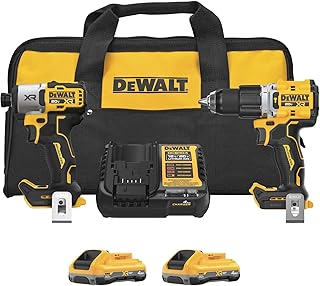
DEWALT 20V MAX XR Impact Driver and Hammer Drill Cordless Power Tool Combo Kit…
4.8★ (116 reviews)
Mobile welding rigs need more than a welder — having reliable cordless tools on the truck means you’re not turning down jobs that require drilling, fastening, or light demo work alongside the weld.
Equipment: Buy Smart, Not Cheap
This is a skilled trade. Your equipment is your livelihood. Buying the absolute cheapest welder to save money upfront often costs more in repairs, downtime, and poor results than buying a quality machine to begin with.
That said, you don’t need brand-new everything to start. The used equipment market for welders is solid. Look for:
- Industrial-grade machines from reputable manufacturers — they hold up in rough conditions.
- Machines with available parts and service support. Obscure brands can become boat anchors if something breaks.
- Used equipment inspected in person before buying. Skip the mystery box from an auction site.
Start with the process that matches your target niche. If you’re going after mobile repair, a good multi-process machine covers most situations. If you’re focused on TIG work for precision fabrication, invest in a quality TIG setup from the start.
Setting Your Rates
A lot of new welding businesses undercharge because they’re nervous about losing jobs. That’s a mistake that’s hard to recover from once you’ve set expectations with clients.
Figure out your real costs first:
- What does equipment depreciation cost you per hour?
- What are you paying for gas, consumables, filler material?
- What’s your truck/travel cost per mile or per job?
- What does insurance cost you per month?
- What do you actually need to pay yourself to make this worth doing?
Add those up, then add a reasonable profit margin. Compare to what welders in your area are charging — call a few shops and ask for quotes on a hypothetical job. You’ll get a feel for the market rate quickly.
Mobile welding rates in most markets run on an hourly basis plus materials. Fabrication work is often quoted by the project. Don’t let customers push you into a flat-rate project quote until you’ve done enough jobs to know your hours accurately.
Finding Your First Clients
Nobody is going to find you if you don’t put yourself out there. Here’s what actually works when you’re starting out:
Google Business Profile
Set this up first, before you spend money on anything else marketing-related. It’s free. When someone in your area searches for mobile welding or welding repair, a complete Google Business profile with photos and reviews is what gets you found. Add your service area, your services, and real photos of your work.
Tell Everyone You Know
Before you spend a dollar on ads, work your personal network. Former employers, neighbors, people you know in the trades, local farmers if you’re in a rural area. Tell them what you do and ask them to spread the word. Most welding businesses get their first jobs from word of mouth — don’t underestimate it.
Talk to Related Businesses
Equipment dealers, feed stores, farm co-ops, trailer dealerships, construction companies, and HVAC shops all encounter welding needs or know people who do. Stop in, introduce yourself, leave a card. One good referral relationship can feed you steady work for years.
Craigslist and Facebook Marketplace
Both are worth using in the beginning. People looking for mobile welding or custom fab jobs still search these platforms regularly. Post clearly, include photos of your work, and respond fast — a lot of your competition won’t.
Subcontracting for Established Shops
If you have the certifications, contact local fab shops and contractors about subcontracting work. You give up margin but you get steady volume and experience without doing your own sales. Some people build their entire business this way, at least in the early years.
Nextdoor and Local Facebook Groups
Especially for residential work — gates, railings, repairs — local community platforms send real jobs. Be helpful in those groups, not spammy, and your name will come up when people ask for recommendations.
Managing Jobs and Getting Paid
Once the work starts coming in, you need a way to track jobs, invoice customers, and make sure you’re actually getting paid. A lot of welders start with basic invoicing apps or even paper invoices and outgrow that quickly.
If you’re running a mobile operation with a mix of repair and fabrication work, field service management software built for trades can save you real headaches — things like scheduling, quote tracking, and invoicing from the field. Tools like Jobber are designed for exactly this kind of operation. They let you send a quote, schedule the job, and invoice from your phone without a pile of paperwork.
It’s not something you need on day one, but once you have more than a handful of jobs a week, having a system keeps you from losing track of what you’ve billed and what you haven’t.
Recommended Gear

Affiliate Link
DEWALT 20V MAX Cordless Drill and Impact Driver, Power Drill Brushless 2-Tool Power…
4.8★ (4,499 reviews)
A step down in price from the XR kit, this combo still covers the basic cordless needs most solo operators will actually use day-to-day — reasonable if you’re watching startup costs closely.
Common Mistakes to Avoid
- Underpricing to win jobs. You can’t build a business on work that doesn’t pay. Know your costs before you quote.
- Skipping insurance. One fire, one structural failure, one injury — and you’re done without it.
- Taking every job in every niche. Spreading yourself thin makes it hard to get efficient or build a reputation for anything specific.
- Not having a written agreement. Even a simple written quote that a customer signs protects you from disputes about scope and price.
- Neglecting certifications. If you want commercial work or to work with contractors, certifications aren’t optional. Get them early.
- Waiting until everything is perfect to start. You learn a lot from actual customers. Get moving with what you have, then improve.
The Bottom Line
Starting a welding business in 2026 is a realistic goal if you go in with honest expectations about costs and what it takes to build a client base. The demand is there. The skill gap works in your favor if you’re good at what you do and reliable about showing up.
Get the paperwork right, buy equipment you can depend on, price your work based on real numbers, and put yourself where potential customers can find you. None of that is complicated — but all of it takes discipline, especially in the first year when the temptation to cut corners is highest.
If you’re also thinking about how to manage the business side once jobs start coming in, it’s worth looking at what field service platforms like Jobber offer for small trade businesses. Getting paid faster and keeping your schedule organized matters more than most people expect once you’re actually busy.