
Some links on this page are affiliate links. If you sign up through one, TradeStackLab earns a commission at no extra cost to you. We only recommend tools we’d actually use on a job, and a commission never buys a better review.
You Don’t Need Experience. But You Do Need Honest Expectations.
Cleaning is one of the lowest-barrier businesses you can start. You don’t need a license in most states, you don’t need a truck full of specialized equipment, and you don’t need years of trade experience. That’s the good news.
The honest news: low barrier to entry means a lot of competition. Margins can be thin. The physical work is harder than it looks, especially if you’re coming from a desk job. And the jump from “person who cleans houses” to “person running a cleaning business” involves more admin than most people expect.
This guide walks you through the real steps — from setup through your first paying clients. No fluff.
Step 1: Decide What Kind of Cleaning Business You’re Starting
Cleaning isn’t one thing. Before you print business cards, decide which market you’re going after. Your equipment, pricing, and clients are different depending on your answer.
Residential Cleaning
Regular house cleaning — weekly, biweekly, or monthly visits to private homes. This is the most common starting point for solo operators. Steady recurring revenue, but you’re competing with a lot of people doing the same thing, including established franchises.
Residential Deep Cleaning / Move-In / Move-Out
One-time jobs that pay more per visit. Move-out cleans are common and in demand. The work is harder — you’re cleaning baseboards, inside appliances, grout, ceiling fans. Good for cash flow early on while you build a recurring base.
Commercial Cleaning
Offices, retail spaces, medical facilities. Usually cleaned after hours. The contracts are bigger, but so are the expectations. Insurance and bonding requirements are higher. Harder to land as a brand-new solo operator with no references.
Specialty Cleaning
Carpet cleaning, window washing, post-construction cleanup. Usually requires more equipment investment. Not the best starting point if capital is limited.
If you’re starting solo with limited cash, start with residential recurring and one-time deep cleans. It’s the most accessible path and gives you room to learn the business side without overcommitting.
Step 2: Handle the Legal Basics
Don’t overcomplicate this. But don’t skip it either. Getting this wrong costs more to fix later.
Business Structure
Most solo cleaning operators start as a sole proprietor or form a single-member LLC. A sole proprietorship is simpler to set up, but an LLC puts a legal wall between your business and your personal assets. Given that you’ll be inside people’s homes, that protection is worth the modest filing fee. Check your state’s requirements — it’s usually done online in an afternoon.
Business Name and Registration
Pick a name, check that it isn’t already taken in your state, and register it. If you’re operating under your LLC name, you may not need a separate DBA. If you’re operating under a different trade name, you’ll file a “doing business as” registration.
EIN
Get a free Employer Identification Number from the IRS even if you have no employees. You’ll need it to open a business bank account. Takes about five minutes at irs.gov.
Business Bank Account
Open one. Keep business money separate from personal money from day one. This makes taxes cleaner and makes you look more professional when clients pay by check or bank transfer.
Licenses and Permits
Most states don’t require a specific license for residential cleaning. Some cities require a general business license. Check your city and county requirements. If you’re doing commercial work, bonding is often required by clients — look into a janitorial bond, which is relatively inexpensive.
Insurance
This is not optional. You need general liability insurance before you walk into your first client’s home. It covers accidental damage — a broken vase, a scratched floor. Expect to pay a few hundred dollars per year for a basic policy as a solo operator. Some clients will ask for proof of insurance before hiring you. Having it also signals that you’re running a real business, not a side hustle.
Recommended Gear

Affiliate Link
Bissell Commercial Bissell BigGreen Commercial BG10 Deep Cleaning 2 Motor Extractor…
4.7★ (1,982 reviews)
If you eventually move into deep cleans or move-out jobs, a two-motor extractor like this earns its keep fast — though at $529, it’s a later purchase, not a day-one buy.
Step 3: Figure Out Your Startup Costs
One of the advantages of residential cleaning is that you can start lean. Here’s a realistic breakdown for a solo operator starting from scratch.
| Item | Estimated Cost | Notes |
|---|---|---|
| LLC formation | $50–$200 | Varies by state |
| General liability insurance | $300–$600/year | Get quotes from multiple carriers |
| Cleaning supplies (starter kit) | $150–$300 | Mop, vacuum, microfiber cloths, multi-surface cleaners, toilet brushes, etc. |
| Caddy / carry bags | $20–$50 | Helps with transport and organization |
| Basic website | $0–$200 | A simple site is enough to start. Free options exist. |
| Business cards | $20–$40 | Still useful for in-person referrals |
| Google Business Profile | Free | Set this up before anything else marketing-related |
| Scheduling / invoicing software | $0–$50/month | Some tools have free tiers for solo operators |
A realistic all-in number to get started properly: $500 to $1,200. You can go lower if you already own some equipment. You don’t need to spend more than this to get your first client.
Step 4: Set Your Pricing
Pricing is where a lot of new operators leave money on the table — or price themselves out before they start. Neither extreme works.
Understand Your Market
Before you set a number, look at what other cleaners in your area charge. Check Thumbtack, Yelp, and local Facebook groups. Call a couple of established services as a “prospective customer” if you need to. Know what the going rate is in your city for a standard two-bedroom clean.
Price by the Job, Not by the Hour
Hourly pricing rewards being slow. As you get faster and more efficient, you make less money per job. Quote flat rates per job type instead — standard clean for a 2BR/1BA, deep clean, move-out clean, etc. It’s also easier for clients to say yes to a flat price than to an open-ended hourly rate.
Don’t Undercut to Win Business
It’s tempting to come in low when you have no reviews. Resist it. Clients who hire you because you’re the cheapest are not your best long-term clients. Price fairly, deliver good work, and ask for a review. That’s a better long-term strategy than building a full schedule at rates that burn you out.
Factor in Your Real Costs
Your rate needs to cover supplies, gas, insurance, software, and your own time — including the drive time and the admin time between jobs. Don’t forget self-employment taxes. A good chunk of what you invoice goes out before it’s truly yours.
Recommended Gear
Affiliate Link
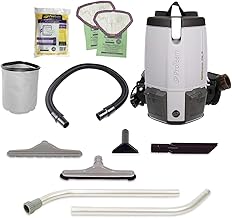
ProTeam Backpack Vacuums, ProVac FS 6 Commercial Backpack Vacuum with HEPA Media…
4.4★ (674 reviews)
The ProVac’s backpack design makes sense for commercial after-hours work where you’re covering a lot of floor quickly — the kind of contract the article notes is harder to land but worth building toward.
Step 5: Get Your First Clients
This is where most people stall. Here’s what actually works early on, in rough order of effectiveness.
Your Personal Network
Tell everyone you know that you’ve started a cleaning business. Former colleagues, neighbors, family friends. Ask if they need a cleaner or know someone who does. Your first three to five clients will almost certainly come from people who already know you. This isn’t embarrassing — it’s how most small service businesses start.
Nextdoor and Local Facebook Groups
Post in neighborhood groups. Keep it simple: who you are, what you offer, that you’re licensed and insured, and how to reach you. Don’t spam. Respond fast when someone replies. Local trust networks are genuinely valuable for residential cleaning.
Google Business Profile
Set this up and fill it out completely. Add photos (of your supplies, your work if clients allow, yourself). Verify your address. This is how people searching “house cleaner near me” find you. It takes some time to build, but it’s free and compounding.
Thumbtack, Angi, and Similar Platforms
These can get you early jobs, but they come with lead fees and race-to-the-bottom pricing pressure. Use them to fill gaps in your schedule and gather first reviews, not as your primary growth channel.
Referrals
After every job, do good work, then ask — directly — if the client would be willing to refer you or leave a Google review. Most happy clients won’t do it on their own. Most will do it if you ask politely. A few genuine reviews change everything for your visibility.
Step 6: Run the Business Side Like a Business
This is the part most people don’t think about when they imagine starting a cleaning company. The actual cleaning is straightforward. The business side takes real attention.
Scheduling
When you have three or four recurring clients, you can manage scheduling with a calendar. When you have ten, you need a system. Track your appointments, send reminders to clients, and have a way to handle cancellations and rescheduling without everything falling apart.
Invoicing and Getting Paid
Send invoices promptly after each job. Accept multiple payment methods — card, bank transfer, check. Don’t make it hard for clients to pay you. Chase late payments early and calmly.
Tracking Income and Expenses
Keep records from day one. Every supply purchase, every mile driven, every invoice sent. You’ll need this for taxes. Mileage, supplies, insurance, and software are all deductible business expenses — but only if you tracked them.
Software to Consider
A few tools are built specifically for cleaning businesses. ZenMaid is designed specifically for cleaning companies and has a reputation for being simple to use without a lot of setup. Jobber is broader — it covers scheduling, invoicing, and client communication for field service businesses generally. Both have tiers that work for solo operators. At the beginning, even a basic setup helps you look professional and saves time on admin.
Ready to see if Jobber fits your business?
Try Jobber →If you’re planning to stay solo and keep things simple, either of those is a reasonable place to start. The goal at this stage isn’t enterprise software — it’s not losing a client because you forgot to send a reminder or missed a job because your calendar was a mess.
What to Expect in the First 90 Days
Month one will probably be slow. That’s normal, not a sign you’re failing. Getting your first five clients takes longer than getting from five to twenty, because you have no reviews and no word-of-mouth yet. Focus on doing good work and asking for feedback.
The physical adjustment is real if you’re coming from a desk. Cleaning homes professionally is active, repetitive work. Your hands, back, and knees will feel it. Invest in good knee pads and comfortable shoes early.
Expect some jobs that don’t go perfectly. You’ll miss a spot. A client will give you feedback you didn’t expect. Learn from it without taking it personally. Your systems will improve as you repeat the same jobs and figure out your rhythm.
By month three, if you’ve been consistent about marketing and client communication, you should start to see recurring clients booking regularly and your first referrals coming in. That’s the turning point where the business starts to feel real.
Recommended Gear
Affiliate Link
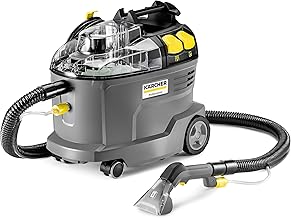
Kärcher Puzzi 8/1 C Commercial Carpet Extractor 12.5 PSI – Spot Cleaner, Stain…
4.4★ (170 reviews)
At $1,150, the Kärcher Puzzi is firmly in specialty cleaning territory — exactly what the article flags as equipment-heavy and better suited once you’re past the solo residential startup phase.
Common Mistakes to Avoid
- Skipping insurance. One broken item in a client’s home and you’ll understand why this matters.
- Underpricing to get clients fast. You’ll attract the wrong clients and burn out. Price fairly from the start.
- Mixing personal and business money. Open that business account before you invoice anyone.
- Not tracking mileage. If you’re driving to every job, that’s a real deductible expense. Use an app or write it down.
- Waiting until everything is perfect to start marketing. You don’t need a logo, a website, and a full service menu before you tell people you’re open. Get your first client, then refine.
- Not asking for reviews. Good reviews are your most valuable early asset. Ask for them directly after good jobs.
The Realistic Version of What You’re Building
A solo cleaning business is a real income. It’s not a get-rich-quick path, but it’s a legitimate one. Many solo operators build full-time incomes, and some go on to hire employees and grow into multi-crew operations. Others stay solo by choice and keep overhead low.
Coming from a corporate job, the shift is real: no guaranteed paycheck, no HR department, no one handing you work. You’re the sales team, the operations team, and the person doing the actual job. That’s a genuine adjustment. It also means every dollar you earn, you earned directly.
Start simple. Get your first client. Do good work. Build from there.