
Some links on this page are affiliate links. If you sign up through one, TradeStackLab earns a commission at no extra cost to you. We only recommend tools we’d actually use on a job, and a commission never buys a better review.
Is Mobile Car Detailing Worth Starting?
Mobile car detailing is one of the lower-barrier trades you can get into. You don’t need a shop, a commercial lease, or a crew. You need a vehicle, some equipment, and the willingness to do good work. Plenty of people are running solo operations that pay the bills and then some.
That said, it’s not a get-rich-quick setup. Margins depend on pricing discipline, repeat business, and keeping your costs tight. Competition varies a lot by market. Some areas are saturated; others have room for someone who shows up on time and does clean work.
This guide covers what it actually takes to get started — not the optimistic version, but the real one.
Startup Costs: What You’ll Actually Spend
Costs vary based on what you already own and how deep you want to go on equipment. Here’s a realistic breakdown for someone starting from scratch.
| Item | Estimated Cost (2026) | Notes |
|---|---|---|
| Vehicle (van or truck) | $5,000–$25,000+ | Used cargo van is the standard starting point |
| Pressure washer | $300–$1,500 | Gas or electric; electric is quieter for residential |
| Wet/dry vac | $100–$400 | Get something with good suction; cheap ones die fast |
| Polisher / DA polisher | $150–$600 | Skip this until you know how to use it properly |
| Water tank (if no hookup) | $100–$500 | 50–100 gallons covers most details |
| Generator | $400–$1,200 | Needed if you can’t tap the client’s outlet |
| Chemicals, pads, microfibers | $300–$800 to start | Ongoing cost; buy in bulk once you know what works |
| Business registration & licensing | $50–$500 | Depends heavily on your state and city |
| Insurance | $800–$2,000/year | General liability minimum; don’t skip this |
| Website & booking software | $0–$200/month | Can start free, but a basic site helps credibility |
All in, a lean but functional setup runs somewhere between $5,000 and $15,000 if you already have a usable vehicle. If you’re buying a van too, plan for more. Don’t over-invest in equipment before you have paying clients.
Recommended Gear

Affiliate Link
Chemical Guys TORQX Random Orbital Polisher, Pads, Polishes, and Compounds Kit – Car…
4.6★ (6,449 reviews)
The article specifically says to skip the DA polisher until you know how to use it properly — but when you’re ready, this TORQX kit bundles the machine, pads, and compounds so you’re not piecing it together separately.
Licensing and Legal Setup
This part isn’t glamorous, but skipping it causes real problems later.
Business Structure
Most solo operators start as a sole proprietor or form an LLC. An LLC gives you some liability separation between the business and your personal assets. It’s not expensive to set up in most states — typically a one-time filing fee and a small annual fee. Talk to an accountant before you decide; don’t just copy what someone in a Facebook group did.
Business License
Most cities and counties require a general business license. Some require a separate home occupation permit if you’re operating out of your house. Check your local municipality’s website — don’t assume you know the requirements.
Water Discharge and Environmental Rules
This one catches people off guard. Detailing runoff — especially from washing — can fall under local stormwater regulations. In some areas, you’re not allowed to let wash water run into storm drains. You may need to use a water reclamation mat or get a wastewater containment system. Check with your city’s environmental or public works department. Fines are real.
Insurance
At minimum, get general liability insurance. It covers property damage — like if you scratch a car or knock something over in someone’s driveway. Some clients, especially commercial ones, will ask for a certificate of insurance before they hire you. Garage keeper’s liability is worth looking into once you’re doing higher-end vehicles.
Taxes
You’re self-employed. That means quarterly estimated taxes, self-employment tax, and tracking every business expense. Set aside a portion of every payment. Use a separate business bank account from day one — it makes bookkeeping far less painful.
Equipment: What to Buy First vs. What to Add Later
New detailers often overbuy on gear before they understand what they actually need. Start with the basics and add as your volume grows.
Start With
- A reliable pressure washer (electric for most residential work)
- A strong wet/dry vacuum
- A foam cannon
- Quality microfiber towels — more than you think you need
- Interior brushes, detailing brushes, and applicator pads
- A basic chemical kit: all-purpose cleaner, interior cleaner, tire dressing, spray wax or sealant, glass cleaner
- A water source solution — either a tank system or confirmed access at job sites
Add Later
- DA (dual-action) polisher for paint correction — only once you’ve practiced on beaters
- Steam cleaner for interior work
- Ozone generator for odor elimination
- Ceramic coating supplies — high margin service, but requires training
- A proper rig setup in the van with organized storage
Buying a DA polisher without knowing how to use it correctly is a good way to burn through paint and ruin someone’s car. Practice first, charge for it later.
Recommended Gear
Affiliate Link
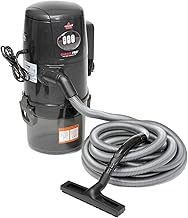
BISSELL Garage Pro Wall-Mounted Wet Dry Car Vacuum/Blower With Auto Tool Kit, 18P03…
4.5★ (3,656 reviews)
The article warns that cheap vacs die fast; this Bissell is wall-mounted, which makes more sense once you’re working out of a van with limited floor space, though it’s better suited to a fixed base than a fully mobile setup.
Pricing Your Services
Underpricing is the most common mistake new detailers make. If you price too low, you attract price-shoppers, work yourself to death, and have nothing left after supplies and time.
Common Service Tiers
- Basic exterior wash: Lower-margin, high-volume — useful for building relationships but not where the money is
- Full interior detail: More time, more value, better margin
- Interior + exterior combo: Your bread-and-butter package
- Paint decontamination / clay bar: Add-on that clients with nicer cars will pay for
- Paint correction: High skill, high price — don’t offer this until you can actually do it
- Ceramic coating: Premium service with real margin, but requires proper training and materials
Research what competitors in your market charge, then don’t automatically go lower. Competing on price alone is a race you don’t want to win. Compete on reliability, quality, and communication instead.
Factor in your actual costs per job: chemicals, fuel, water, time, and a portion of your equipment and insurance. If you don’t know your cost per job, you don’t know if you’re making money.
Landing Your First Clients
This is where most guides get vague. Here’s what actually works when you’re starting with zero clients.
Your Network First
Tell everyone you know. Friends, family, neighbors, former coworkers. Offer a fair price — not a giveaway price — and ask them directly to book. Ask them to leave a review afterward. Your first 10 clients probably come from people who already know you or who know someone who knows you.
Google Business Profile
Set this up before you do anything else online. It’s free. When someone in your area searches for detailing services, a complete and reviewed Google profile puts you in front of them. Add photos, your service area, hours, and a phone number. Ask every early client to leave a review. Five genuine reviews will outperform a lot of paid advertising.
Nextdoor and Local Facebook Groups
These work better for service businesses than most people expect. Introduce yourself, don’t be spammy, and respond fast when someone asks for a detailer recommendation. Being active in local groups builds name recognition without spending money.
Flyers at Car Washes and Auto Parts Stores
Old-school, but still works in many markets. Ask permission first. Target locations where car owners who care about their vehicles already go.
Partnerships with Dealerships and Rental Companies
These are volume clients. A local used car dealership that needs vehicles prepped for sale can keep you busy. The margins are often lower than retail, but the volume and consistency can be worth it. Go in person, bring examples of your work, and be professional.
Referral Program
Once you have a few clients, give them a reason to send people your way. A simple discount on their next service for a successful referral is enough. Word-of-mouth from happy clients is the most reliable long-term growth channel in this business.
Managing the Business Side
Doing the work is one thing. Running the business is another. Early on, it’s tempting to just take calls, do jobs, and collect cash. That gets messy fast.
Scheduling and Invoicing
You need a way to book clients, send invoices, and collect payment that isn’t a spiral notebook and Venmo. Field service management software built for home service businesses can handle this. Tools like Jobber or Housecall Pro are designed for exactly this kind of mobile service business — scheduling, quoting, invoicing, and payment collection in one place. They’re not free, but the time they save is real.
If budget is extremely tight at the start, a simple invoicing app works. But plan to graduate to proper software as volume grows. Chasing down unpaid invoices and double-booking clients costs you more than the software subscription.
Tracking Your Numbers
Know your revenue, your costs, and your profit — weekly if possible. Know which services make you the most money per hour. Know which clients are repeat buyers and which ones haggle every time. The numbers tell you where to focus.
Customer Communication
Respond to inquiries fast. Confirm appointments. Show up when you say you will. Send a follow-up after the job. This sounds basic, but it separates you from a large portion of your competition in the trades. People don’t just pay for the detail — they pay for reliability.
Common Mistakes to Avoid
- Underpricing to get clients: You’ll attract the wrong clients and burn out fast.
- Overbuying equipment early: Buy what you need to do good work, not a full-featured rig on day one.
- Skipping insurance: One scratched luxury car without coverage can end the business.
- No written agreements: For bigger jobs, have something in writing that outlines what’s included. It protects both sides.
- Ignoring the environmental rules: Wash water regulations are enforced in some markets. Know them before you get a fine.
- Doing too many services too soon: Master a core set of services before adding paint correction, ceramic coatings, or other high-skill work.
Recommended Gear
Affiliate Link
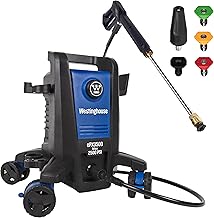
Westinghouse ePX3500 Electric Pressure Washer, 2500 Max PSI 1.76 Max GPM with…
4.7★ (12,788 reviews)
For residential work, the article recommends electric over gas for the quieter operation — this Westinghouse sits at the lower end of the $300–$1,500 range and covers the basics without overbuying before you have steady clients.
Realistic Timeline
Month one is mostly setup — licensing, equipment, first few clients, and figuring out your workflow. Don’t expect to be busy immediately. Month two and three, if you’re actively marketing and doing good work, you should start seeing repeat clients and referrals. By the six-month mark, a disciplined operator can be running a full schedule. A year in, you’ll know if it’s working and whether it makes sense to add services, hire help, or stay solo.
There’s no shortcut to building a client base. Consistency and quality compound over time.
The Bottom Line
Mobile car detailing is a legitimate business you can start with modest capital and grow into a solid income. It rewards people who show up reliably, do careful work, and treat clients like they matter. It punishes people who undercharge, overpromise, and cut corners on the business side.
Get the legal and insurance basics right from the start. Buy equipment you need, not equipment that looks good in a van tour video. Price your work to make a real margin. And build your client base one satisfied customer at a time — that’s what actually works.